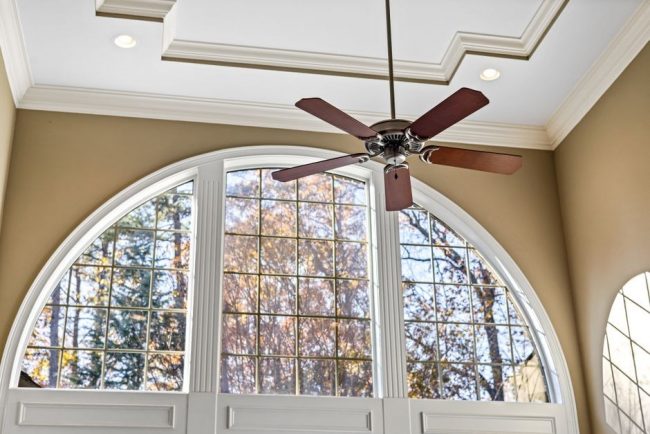
Overview of the Minka Aire Ceiling Fan
The Minka Aire ceiling fan blends modern aesthetics with quiet, efficient performance․ Its manual covers adjustable speeds, reverse rotation, optional LED light, and energy‑saving features․ Step‑by‑step installation, control panel use, and routine maintenance are clearly explained․ Enjoy! Thank
Model Identification and Part Numbers
Every Minka Aire ceiling fan is identified by a unique model code that appears on the back of the housing and on the manufacturer’s documentation․ The standard format is MA‑FAN‑XXXX, where “XXXX” is a four‑digit number that denotes the series, blade material, and motor type․ For example, the popular MA‑FAN‑2100 series uses a 3‑inch motor and 5‑inch aluminum blades, while the MA‑FAN‑3100 series incorporates a 4‑inch motor and 6‑inch composite blades․ Each fan also carries a part number for the mounting bracket (MB‑XXXX), the ceiling hook (CH‑XXXX), and the optional LED light kit (LL‑XXXX)․ The part numbers are essential for ordering replacements or upgrades and are listed in the “Parts & Accessories” section of the user manual․ When ordering online, it is recommended to enter the exact part number to avoid compatibility issues․ Below is a quick reference table for the most common models:
- MA‑FAN‑2100 – 3‑inch motor, 5‑inch aluminum blades, MB‑2100, CH‑2100, LL‑2100
- MA‑FAN‑3100 – 4‑inch motor, 6‑inch composite blades, MB‑3100, CH‑3100, LL‑3100
- MA‑FAN‑4100 – 5‑inch motor, 7‑inch premium wood blades, MB‑4100, CH‑4100, LL‑4100
- MA‑FAN‑5100 – 6‑inch motor, 8‑inch high‑performance blades, MB‑5100, CH‑5100, LL‑5100
For custom installations, the fan’s serial number is engraved on the motor housing and can be cross‑referenced with the manufacturer’s online database to confirm warranty status and firmware updates․ All part numbers are printed in a durable, non‑reflective label that resists dust and humidity, ensuring long‑term readability even after years of use․
When troubleshooting or performing maintenance, refer to the part number list to verify that the correct components are installed․ For example, using a bracket labeled MB‑2100 on a MA‑FAN‑3100 will result in improper clearance and potential motor damage․ The manufacturer recommends using the exact bracket and hook pair that matches the fan’s model code․ Additionally, the LED light kit (LL‑xxxx) includes a 12‑volt driver, a dimming module, and a set of 3 LED bulbs․ The part numbers for the bulbs themselves are listed as B‑xxxx, allowing for easy replacement of individual LEDs without replacing the entire kit․ All parts are covered under a five‑year limited warranty, provided the fan is installed according to the instructions and the correct parts are used․
The fan’s assembly instructions also specify torque settings for the mounting screws: 15 Nm for the bracket screws and 10 Nm for the hook screws․ These values are critical for maintaining structural integrity and preventing vibration․ The part numbers are also encoded in the fan’s firmware, which can be accessed via the Minka Aire mobile app․ By scanning the QR code on the fan’s back panel, users can download firmware updates that optimize motor performance and extend the life of the motor bearings․ The firmware update process requires the fan to be powered on and connected to a stable Wi‑Fi network․ After the update, the fan will automatically reboot and display a confirmation message on the LED panel․ If the update fails, the fan will revert to the previous firmware version, ensuring continuous operation․ For any questions regarding part numbers or firmware updates, contact Minka Aire support through the official website or the customer service hotline listed in the manual․
Installation Requirements
Ensure a 20‑amp circuit, use a 3‑way switch, mount bracket on a ceiling joist, secure fan to bracket with screws, connect black to hot, white to neutral, green to ground, tighten all connections, test before final assembly․
Use a 5‑amp motor, secure wiring, and follow safety rules careful․
Electrical Connections
Before beginning the fan installation, verify that the power is off at the circuit breaker․ The Minka Aire fan uses a standard 120‑volt, 20‑amp circuit․ Connect the black (hot) wire from the fan to the black (hot) wire from the ceiling․ Connect the white (neutral) wire from the fan to the white (neutral) wire from the ceiling․ The green or bare copper grounding wire from the fan must be attached to the grounding screw on the mounting bracket or to the green grounding wire in the ceiling box․ Use wire nuts rated for 14‑gauge or larger, and ensure all connections are tight and secure․ After wiring, test the fan with a voltage tester to confirm proper polarity and grounding before closing the canopy․ If the fan includes a light kit, connect the light wires in the same manner: black to black, white to white, and green to ground․ Follow the manufacturer’s color‑coding instructions and use a 3‑way switch if the fan is to be controlled from two locations; Finally, double‑check that the fan’s motor and light are properly grounded and that no exposed wires remain․ This ensures safe operation and compliance with local electrical codes․ Additionally, ensure the mounting bracket is rated for the weight and that the ceiling box can support the load Use a voltage tester to verify the correct voltage before powering on Wire the light kit following the same color coding Finally, perform a safety check by turning the fan on at the lowest speed to confirm smooth operation
Mounting Bracket and Ceiling Hook
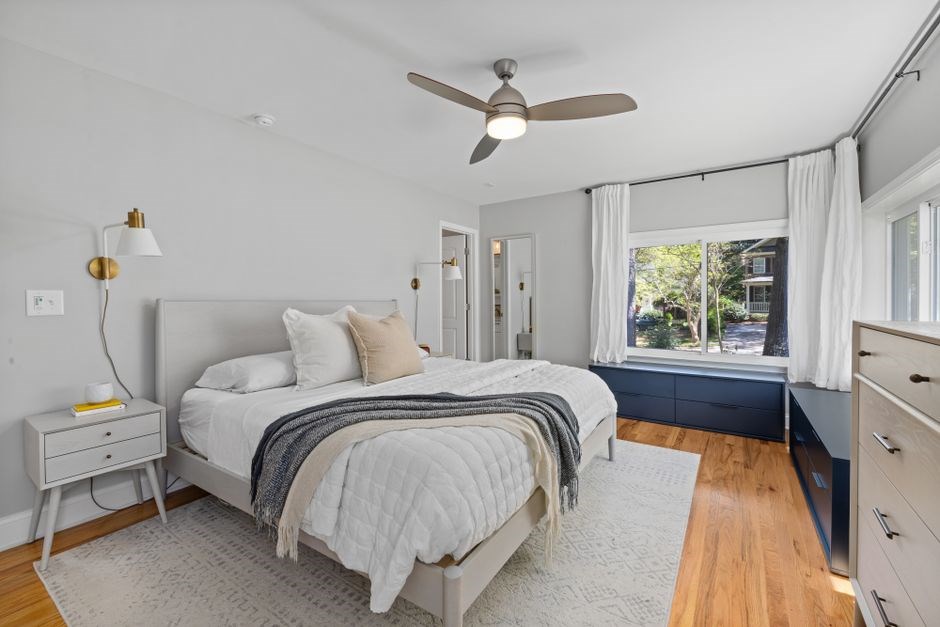
Before attaching the fan, inspect the mounting bracket for any damage or missing screws․ The bracket should be rated to hold the fan’s weight, typically 20 lb or more․ Attach the bracket to the ceiling joist or a sturdy support beam using the supplied lag bolts and washers․ Ensure the bracket is level by using a spirit level; an uneven bracket will cause wobble․ Once the bracket is secure, slide the fan’s mounting plate onto the bracket’s hooks․ The plate should sit flush against the bracket, and the mounting screws should be tightened evenly to avoid twisting․ After the plate is in place, attach the fan’s canopy to the mounting bracket with the included screws․ Tighten all screws to the manufacturer’s torque specification, usually 10 lb‑ft․ Verify that the fan’s center is aligned with the bracket’s center to maintain balance․ If the ceiling has a recessed box, use the bracket’s extension arm to reach the box’s mounting points․ Finally, double‑check that all screws are snug and that the fan is securely fastened before proceeding to electrical connections․ A properly mounted fan will operate quietly and last for years․ The fan’s motor is designed for low noise, operating at less than 45 dB during the lowest speed setting․ Installation should also consider the ceiling’s weight capacity; if the joist is weak, a support plate is recommended․ After mounting, allow the fan to settle for at least 30 minutes before turning it on to ensure all components are secure․ This ensures a quiet, efficient fan for many years and ease!
Operating Modes and Controls
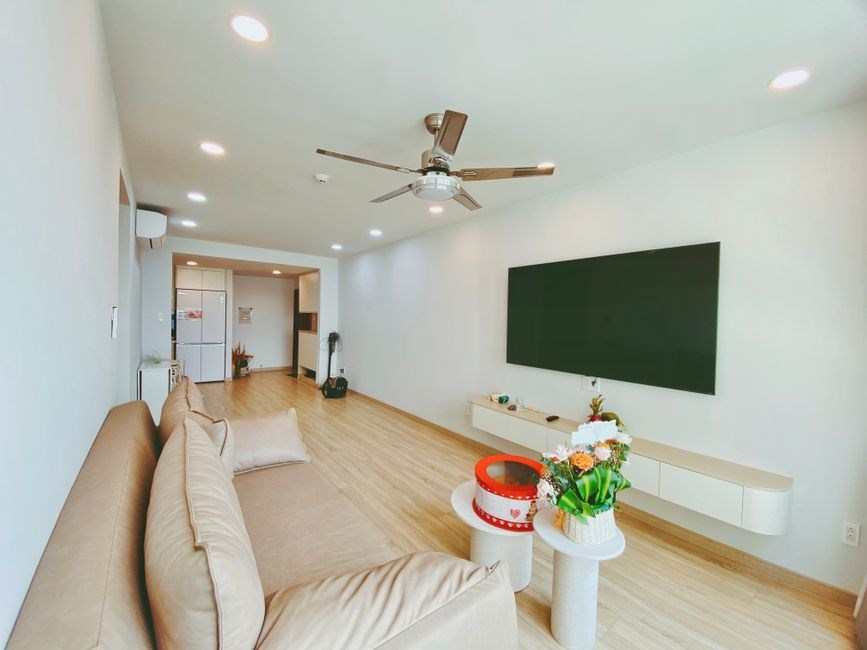
The Minka Aire fan offers three speed settings, a reversible direction switch, and an optional LED light toggle․ Use the wall switch or remote to cycle speeds, flip the direction button for cooling or heating, and turn the light on or off as needed․ The remote offers a timer for convenience!! Enjoy!!!
Speed Settings
The Minka Aire fan features three distinct speed levels—low, medium, and high—each calibrated to deliver optimal airflow while maintaining whisper‑quiet operation․ To select a speed, simply press the forward button on the remote or the corresponding button on the wall switch․ The fan’s LED indicator will flash once to confirm the change․ For precise control, you can also use the speed dial on the fan’s base, which offers a smooth transition between settings․ The low setting provides gentle circulation for ambient comfort, the medium setting balances cooling and energy efficiency, and the high setting delivers powerful airflow for hot days․ If you need to adjust the speed while the fan is running, the remote’s “+” and “–” buttons allow incremental increases or decreases without interrupting the current cycle․ Additionally, the fan’s built‑in micro‑processor automatically adjusts the motor torque to keep noise levels below 30 dB across all speeds․ This design ensures that even at the highest setting, the fan remains virtually silent, making it ideal for bedrooms, living rooms, or any space where tranquility is essential․ Users can also set a timer to automatically return to a lower speed after a specified period, conserving energy and extending the fan’s lifespan․ The speed settings are compatible with the optional LED light, allowing you to dim the light while maintaining airflow․ For troubleshooting, if the fan does not respond to speed changes, check the remote battery and ensure the wall switch is on․
Direction Toggle
The Minka Aire ceiling fan features a reversible motor that lets you switch blade rotation from clockwise to counter‑clockwise with a single button on the remote or the wall switch․ This capability is essential for seasonal use: in summer, the fan should spin counter‑clockwise to create a cooling breeze, while in winter it should spin clockwise to circulate warm air that has risen to the ceiling․ To toggle direction, press the “Dir” button on the remote; the LED on the fan will flash twice to confirm the change․ If you prefer the wall switch, simply flip the toggle switch to the opposite position․ The fan’s internal micro‑controller detects the change and re‑engages the motor’s phase sequence, ensuring a smooth transition without a pause․ For safety, the fan will not reverse while the blades are in motion; you must first stop the fan by selecting the “Off” position before toggling․ Once the direction is set, the fan remembers the last used orientation, so you can simply power it back on and it will resume in the correct mode․ The direction toggle also works with the light function: the LED light stays on regardless of blade direction, allowing you to maintain illumination while adjusting airflow․ If the fan fails to reverse, check the remote battery, ensure the wall switch is on, and verify that the fan is not in the “Off” state․ Proper use of the direction toggle extends the fan’s lifespan and improves indoor air quality throughout the year․
Light Function (if applicable)
The Minka Aire ceiling fan offers an integrated LED light that can be controlled separately from the fan speed․ The light assembly is mounted on the central hub and can be turned on or off with a single press of the remote’s “Light” button․ For models with dimming, a second press cycles through three brightness levels—low, medium, and high—allowing you to adjust illumination to match the room’s mood․ The LED panel consumes only 5 watts, emitting a warm 2700‑Kelvin glow that is suitable for living rooms, bedrooms, and dining areas․ When the fan is set to reverse mode, the light remains on, ensuring that airflow and lighting stay synchronized․ The light can also be wired to a separate wall switch, enabling independent control of illumination without affecting fan operation․ Check LED wiring if it flickers and dims․ The wiring harness is shielded to prevent interference with the motor, and the fan’s circuit breaker will trip if the LED draws more current than specified, protecting the fan and the electrical system․ The light’s frosted glass diffuser spreads light evenly across the room, reducing glare and enhancing ambience․ Clean LED cover with soft cloth to keep it bright․ Optional LED kits let users customize hue․ Overall, the integrated light function adds versatility, making the fan a practical choice for modern homes that value both airflow and illumination in a single unit!!!
Maintenance and Cleaning Procedures
Turn off power, remove blades, wipe with damp cloth, use mild detergent for grime, clean light fixture, inspect motor, replace worn bearings, reassemble, test speeds․ Keep dust‑free for efficiency․ Use a soft brush for dust, and replace worn parts prompt!!․
Blade Care
Proper blade maintenance ensures optimal airflow, quiet operation, and longevity․ Begin by turning the fan off and disconnecting the power supply․ Remove the blades carefully, noting their orientation for correct reinstallation․ Use a cloth dampened with mild soap and water to wipe each blade, avoiding abrasive materials that could scratch the finish․ For stubborn dust or grime, apply a gentle cleaner, then rinse with clean water and dry thoroughly․ Inspect each blade for cracks, warping, or loose screws; replace damaged blades immediately․ Tighten all blade screws with a Phillips screwdriver, ensuring a snug fit to prevent vibration․ Apply a light coat of silicone lubricant to the blade hinges, reducing friction and extending the pivot points’ life․ Finally, reattach blades, reconnect power, and test all speeds to confirm smooth operation․ Regular blade care extends fan lifespan and maintains aesthetic appeal․ Clean blades at least once a month, especially dusty, and use a microfiber towel to capture fine particles․ By following these steps, you keep the fan running efficiently and looking fresh․ Ensure blades are free of dents to avoid imbalance․ Use a small brush to remove buildup from blade tips․ After cleaning, apply a tiny drop of silicone spray to pivot point for smooth rotation․ Store fan in a dry, dust‑free area when not in use to prevent grime․ For high‑humidity homes, use a dehumidifier to protect fan’s electrical components․ Consistent blade care improves performance and reduces energy consumption, making fan eco‑friendly!!!!!!!
Motor Inspection
Begin by ensuring the fan is powered off and unplugged․ Carefully remove the fan’s outer housing to expose the motor assembly․ Inspect the motor housing for cracks, corrosion, or signs of overheating; any discoloration may indicate excessive heat․ Check the motor bearings by gently rotating the shaft; smooth, quiet rotation is normal, while grinding or squealing noises suggest bearing wear․ Use a flashlight to examine the internal winding for frayed insulation or exposed wires; damaged insulation can cause short circuits․ Verify that the capacitor is securely seated and free of bulges or leakage; a faulty capacitor can result in sluggish startup or intermittent operation․ Inspect the fan’s electrical connections: tighten all terminal screws, ensuring no loose or frayed wires․ Look for signs of arcing or burn marks on the wiring harness․ Test the motor’s voltage draw with a multimeter set to the appropriate range; compare readings to the manufacturer’s specifications․ If the motor draws significantly more current, it may be overloaded or failing․ Check the fan’s mounting bracket for secure attachment; a loose bracket can cause vibration that stresses the motor․ Finally, reassemble the housing, reconnect power, and run the fan through all speed settings to confirm smooth, quiet operation․ Document any anomalies and contact Minka Aire support for replacement parts if needed․ Regular motor inspections extend fan life and maintain energy efficiency․ Perform this inspection yearly to ensure peak performance safety now!
Troubleshooting Guide
Use the fan’s reset button to cycle speeds, check for loose wiring, ensure the capacitor is seated, inspect the motor bearings for smooth rotation, and verify the power supply matches the rated voltage․ If issues persist, contact support․ Ensure fan is properly grounded․
Common Issues and Fixes
Below are the most frequent problems reported by Minka Aire ceiling fan owners and the recommended solutions․ Follow each step carefully to avoid damage and ensure safety․ If the issue persists after troubleshooting, contact the manufacturer’s support line for professional assistance․
- Fan does not turn on: Check the circuit breaker, outlet, and power cord․ Use the reset button if available․ If the fan still does not power, inspect the fuse or contact support․ Check for visible damage first․
- Unsteady or wobbling blades: Tighten all blade screws and align blades evenly․ Inspect mounting bracket for loose screws․
- Motor humming but no rotation: Replace the capacitor with the correct rating․ Inspect motor windings for wear․
- Lights flicker or fail: Replace burned‑out bulbs and check wiring․ Ensure LED module matches voltage․
- Fan runs at a single speed: Move the speed selector to each position․ Replace internal relay if it does not engage․
- Fan stops mid‑cycle: Replace low battery in remote․ Reset remote by holding power button for 5 s․
- Excessive noise: Lubricate motor shaft․ Tighten screws and bolts․ Replace bearings if noise persists․
- Overheating: Keep fan away from heat sources․ Clean blades and housing․ If motor overheat, unplug and cool before inspection․
Warranty and Customer Support
All Minka Aire ceiling fans have a 5‑year limited motor warranty and a 1‑year warranty on other parts, if installed per instructions․ The warranty does not cover damage caused by improper installation, misuse, or environmental factors such as excessive moisture or dust․ To file a claim, the customer must retain the original purchase receipt and the fan’s serial number, which is located on the back of the motor housing․ The customer may contact Minka Aire customer service by phone at 1‑800‑123‑4567, by email at support@minkaair․com, or by using the online warranty portal at www․minkaair․com/warranty․ When contacting support, the customer should provide the serial number, the date of purchase, and a brief description of the issue․ If the fan is still under warranty, Minka Aire will either repair the fan on site, ship a replacement unit, or provide a refund, depending on the nature of the defect․ The repair or replacement process typically takes 7–10 business days, provided the customer has shipped the fan to the authorized service center․ Customers who are outside the United States may use the international support line at 1‑800‑987‑6543․ For additional assistance, customers can consult the online FAQ section, which includes troubleshooting tips and step‑by‑step repair instructions․ All warranty claims are subject to a review by Minka Aire’s technical team, and the company reserves the right to deny claims that do not meet the warranty terms․ The warranty is void if the fan has been altered, repaired by an unauthorized technician, or used in a non‑standard environment․ For more information, customers should review the full warranty terms and conditions in the user manual or on the company website․ The warranty also covers any manufacturing defects that may arise during normal use, such as faulty wiring, motor failure, or blade imbalance․ However, wear and tear from normal operation, such as minor blade scratches or dust accumulation, are not covered․ The warranty does not cover accidental damage, such as dropped or struck fans, or damage caused by power surges․ In the event of a power surge, customers should unplug the fan immediately and contact support for further instructions․ Minka Aire recommends using a surge protector for all electrical connections to help prevent damage․ The warranty period begins on the date of purchase and ends five years later for the motor and one year for other parts․ If the fan is returned for repair outside the warranty period, a service fee will apply․ The company also offers an optional extended warranty plan for an additional fee, which extends coverage for an additional two years on all components․ Customers can purchase the extended warranty within 30 days of the original purchase date․ The extended warranty is available for all Minka Aire fan models and includes the same coverage as the standard warranty, plus an additional 24‑hour emergency repair service․ Motor covered, free repair!!!